Trust Has No Borders
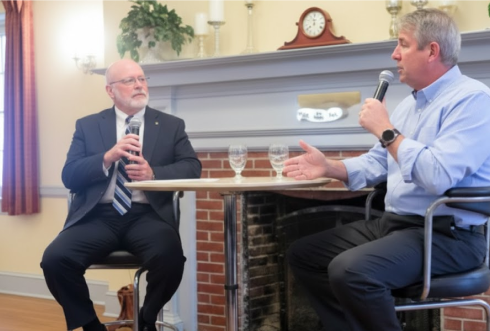
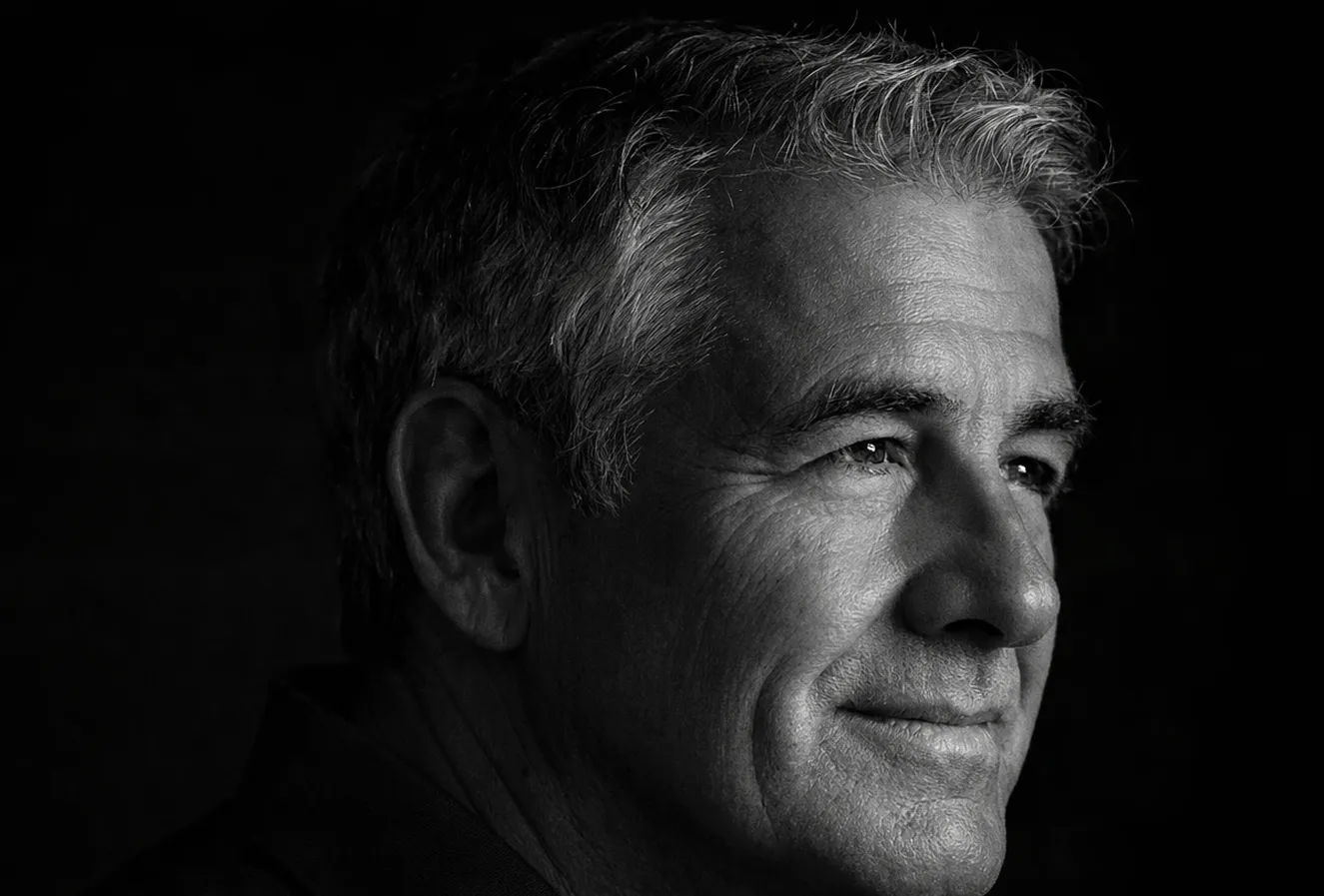
As CEO of a multinational operating across the U.S., Mexico, and Northern Ireland — with engineers from Cuba, Russia, Ireland, and Colombia — Mike learned that trust doesn’t translate automatically. It has to be built differently in every culture.
The Mistake That Started Everything
When Mike Barrett first launched his business and began working in Mexico, he noticed colleagues and friends greeting each other with a brief hug and a kiss on the cheek. So he started doing it too — genuinely, thinking it was the custom — until the day his business partner pulled him aside.
“Can you stop hugging and kissing the receptionist every time you come into the office? I think it sends the wrong message.”
He didn’t understand the culture well enough to appreciate its nuances and unwritten rules. Yet as CEO of a fast-growing multinational, that was exactly what he needed to learn — and fast. Not just how to stop sending the wrong message, but how to start sending the right ones.
What Diversity Actually Means
At Mike’s company, diversity was not an abstract value — it was a daily operational reality. It meant men and women working together across three countries: the United States, Mexico, and Northern Ireland. It meant managing engineers and project managers from Cuba, Russia, Ireland, and Colombia — each bringing their own cultural frameworks, communication styles, and definitions of trust.
In that environment, the standard American playbook for building workplace culture simply did not apply. Trust had to be built differently in every room.
Understanding Cultural Drivers
Every culture has its own primary drivers. In the United States, those drivers tend to be popularity, success, and financial reward. In other regions, they can be something entirely different — family pride, community contribution, collective honor.
By learning what drives the people around you and how those drivers shape their relationships, you can build trust authentically rather than performatively.
In Northern Ireland and Mexico, Mike discovered that family units stay deeply interconnected — meeting weekly for meals, occasionally inviting colleagues into those gatherings. In the U.S., that kind of boundary-crossing is unusual. In those cultures, it was essential. Joining those family meals was not a social nicety. It was a trust signal that no amount of professional courtesy could replicate.
The Language of Respect
Each year, Mike gave part of his annual staff speech in Spanish. Not because his Spanish was perfect. Because the gesture itself communicated something that perfect English never could: I see you. I’m trying. Your language matters to me.
As a leader operating across cultures, learning even the basic phrases in your employees’ native languages is one of the highest-return investments you can make. It costs almost nothing. It signals everything.
The Diversity Trap
Making diversity a primary goal is a fool’s errand. The primary goal always needs to be centered on hiring hard-working people who want to do fantastic work. When that is the genuine north star, and when leaders consistently speak about inclusion, model curiosity, and make space for different ways of working — diversity follows naturally. It becomes a product of good leadership rather than a target of performative policy.
As Nina Simosko, CEO of NTTi3, told Mike when he asked how she’d built such a globally diverse team: “I’ve looked at diversity first as defined by a diversity of approach and temperament. And then I look for people who are like me in terms of their commitment and work ethic. Even without race or gender as primary criteria, we still have ended up with a team who reflects the global community we serve.”
The Bottom Line
Cross-cultural leadership is not about memorizing customs or checking compliance boxes. It is about developing the genuine curiosity and humility to ask: What does trust look like here? What matters to this person? How do I show up in a way that earns their confidence?
Those are not HR questions. They are leadership questions. And the leaders who learn to answer them — honestly, repeatedly, and with a willingness to be corrected — are the ones who build companies that can operate anywhere in the world.
Trust has no borders. But it does have rules. And they’re different everywhere you go.